Landlord-Proof Carpentry: Five Upgrades That Survive Tenants and Three That Never Will
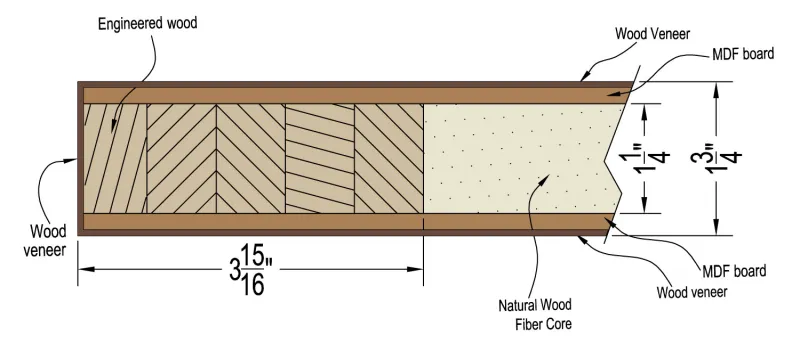
Photo: solid core interior door installation hardwood stair nosing rental renovation, via www.glenviewdoors.com
Owning a rental property changes the math of every renovation decision. A finish that delights a homeowner for a decade can be destroyed by a single tenancy of eighteen months. The question is no longer "what looks best?" but "what survives?" — and that question sits at the heart of the craftsmanship philosophy long practiced by master carpenters in Riyadh, where interior woodwork must endure extreme heat, heavy daily use, and decades of service. Translated to the American rental market, that philosophy produces a clear hierarchy: some upgrades pay for themselves many times over, and some are simply donations to your next tenant's lifestyle.
The Five That Survive
1. Solid-core interior doors. The hollow-core doors builders install in entry-level housing are the most frequently damaged item in any rental unit. A solid-core door costs roughly twice as much but resists the dents, cracks, and delamination that come from everyday life — moving furniture, slammed doors, adolescent moods. In Riyadh's professional shops, doors are treated as long-service hardware rather than disposable panels, and American landlords should adopt the same view. Pair them with heavy-duty hinges and you may never replace an interior door again.
2. Hardwood or engineered stair nosing. Stair edges take more concentrated abuse than any other surface in a multi-level rental. Carpet on stairs hides damage but collects wear in the worst way; unprotected hardwood edges splinter and chip within a single tenancy. Properly installed hardwood nosing — the curved protective cap that covers each stair edge — converts the most vulnerable point of the staircase into its most durable.
3. Tall baseboards with shoe molding. Vacuum scuffs, mop strikes, and boot toes all land in the same six inches of wall. Installing taller baseboards topped with a sacrificial shoe molding gives you a replaceable wear layer. When a turnover comes, you swap out a $2-per-foot strip of molding instead of repainting scuffed drywall.
4. Quartz or solid-surface window sills. Wooden window sills in rentals are condensation trays. In humid American markets, they swell and rot in a few years; in dry markets, they crack and stain. A solid-surface sill shrugs off plant pots, condensation, and cleaning products indefinitely. It is a small upgrade with an outsized lifespan.
5. Adjustable heavy-duty closet systems. Wire shelving bends, pulls from walls, and gets discarded. A floor-mounted, adjustable wood closet system with proper anchoring survives tenants, adapts to the next occupant's storage needs, and photographs beautifully in listing shots. This is where the Riyadh built-in tradition earns its keep: storage that is part of the building, not an accessory to it.
The Three That Will Not
1. Delicate built-in banquettes and window seats. Custom seating is a showpiece in an owner-occupied home and a trampoline in a rental. Upholstered lids get sat on wrong, hinges break, and the interior storage becomes a junk drawer no one empties. Save built-in seating for homes you live in.
2. Soft-close everything. Soft-close hinges and drawer glides are wonderful — until a tenant forces them, strips them, or hangs on a drawer mid-cycle. In a rental, specify durable standard hardware with a quality close, and keep spare hinges in your maintenance kit. The premium for soft-close rarely survives the first heavy-handed year.
3. Decorative stair parts and thin profile trim. Ornate balusters, thin craftsman-style casing, and delicate applied mouldings chip at a touch and cannot be spot-repaired without a specialist. In high-traffic rentals, simple, chunky, paintable profiles are the honest choice. Plain trim is not a compromise; it is a maintenance strategy.
The Underlying Principle
Notice the pattern: the upgrades that survive are the ones that are massive, replaceable, or both. Riyadh's carpentry culture built its reputation on woodwork designed for fifty years of hard service — thick stock, mechanical fastenings over glue alone, and sacrificial details that take the wear so the structure does not. Landlords who borrow that mindset stop renovating for the next tenant and start building for the tenth one.